
Coachella, Indio
Emergency Garage Door Repair, Coachella
Six miles from our Indio base, Coachella runs newer stock than most of the service area. Here's what actually breaks on a 1998-median house and what the truck carries for it.
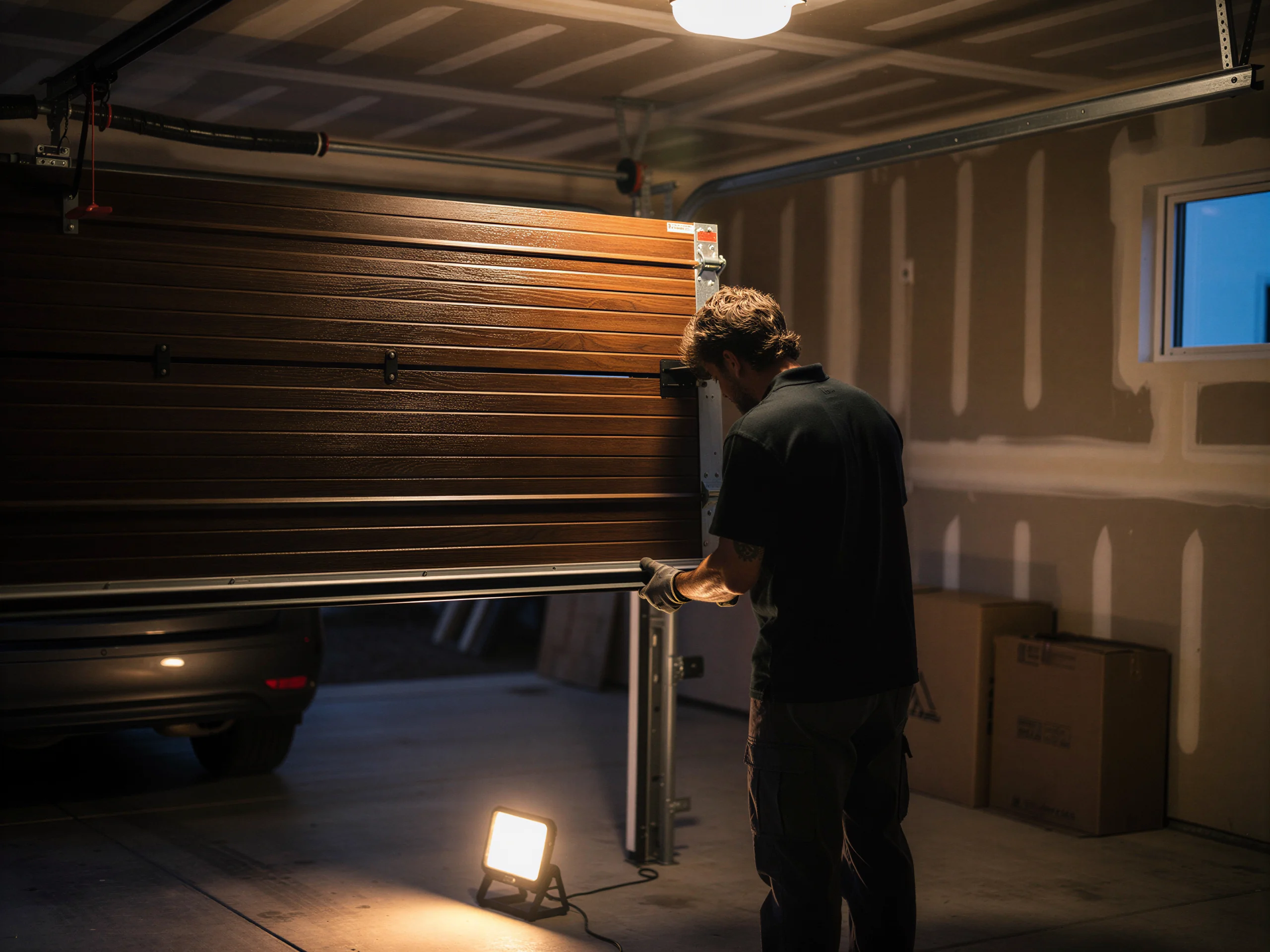
Doing It Yourself
Six miles is a short drive from Indio, but it's long enough that we want to know before we load the truck whether this is a five-minute fix or a parts job.
Reading opener code flashes
If the door won't move and the opener light is blinking a code, check the manual taped to the motor housing first - most modern openers flash a number that tells you spring, sensor, or travel limit before anyone picks up a phone.
Stop near tension hardware
If a cable has jumped the drum or a spring looks stretched past its coils, stop. Don't put a ladder near a door under spring tension. That's not caution for the sake of caution - it's the one call-out here that regularly ends in an ER visit instead of a repair bill.
Sensor and breaker fixes
Clearing a sensor eye of dust, or resetting a breaker that tripped, you can do yourself and save the trip charge. A broken torsion spring or a cable off the drum, you can't, and trying usually turns a $200 repair into a door replacement.
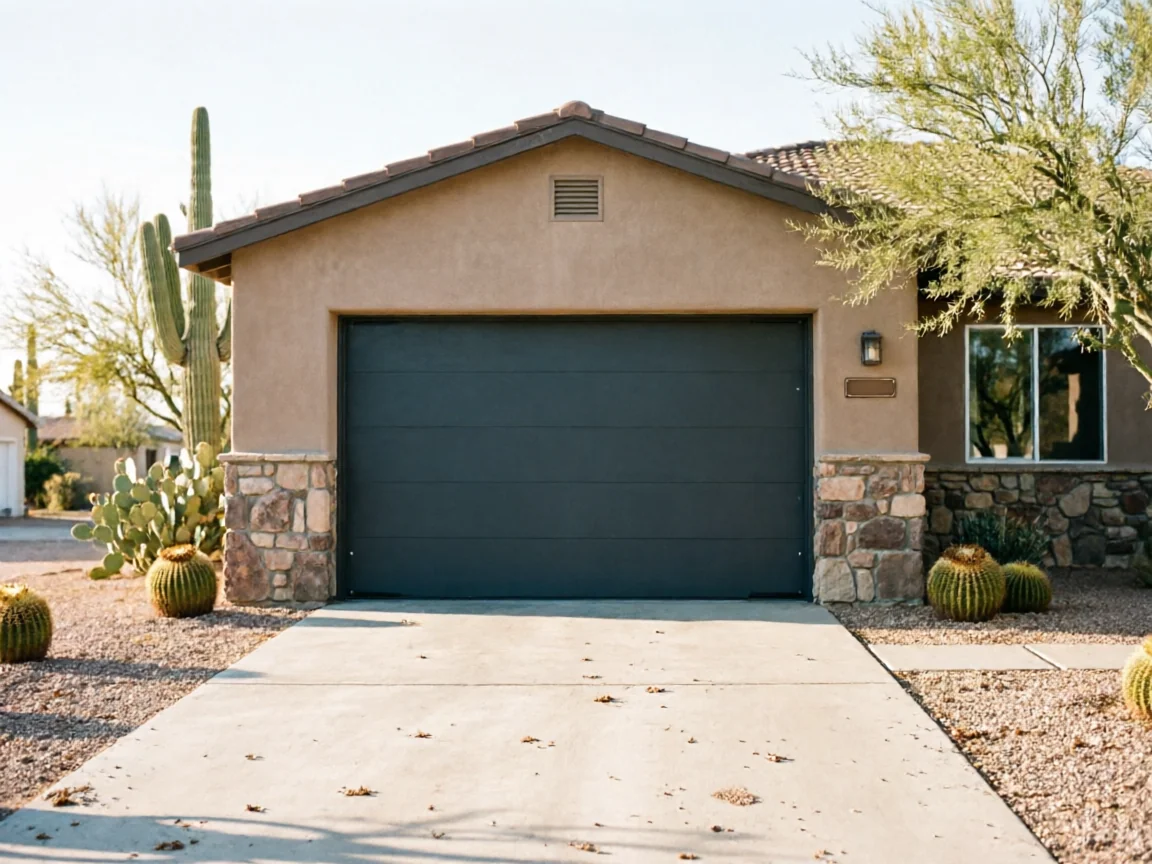
Time on the Job
We're coming from Indio, six miles out, so the drive itself isn't the variable - what's on the house when we get there is. Coachella's housing is newer than most of what we work on closer to Indio, with a median build year around 1998 against the roughly 1987 median across the wider service area. Newer doesn't always mean simpler. Houses from this era often came with insulated steel sandwich-panel doors instead of the lighter single-layer steel common on 1980s stock, and that extra weight changes how long a torsion spring or cable job takes once we're on site. A straightforward spring swap on a standard door still runs what it runs anywhere; a stuck insulated panel on a bent track, where the weight has already pulled rollers out of alignment, takes longer because the door has to come apart more carefully to get it back on track without cracking the panel skin.
Parts We Carry
We stock what fails most on the stock here: torsion springs sized for heavier insulated panels, galvanized lift cables, nylon and steel rollers, and standard travel sensors for chain and belt-drive openers, which are more common on the 1990s-era doors in Coachella than the direct-drive units you see on older houses toward Indio.
Specialty parts not stocked
What we don't carry on the truck is anything specialty - a custom panel insert or an opener model that's been discontinued more than a few years.
Honest same-day limits
If your door needs a part like that, we'll tell you straight that it's an order, usually a few days out, rather than pretend we can pull it from stock. That's the one honest limit on same-day work: common hardware, we fix today; obsolete or custom parts, we schedule.
What Can Go Wrong
On a house built around 1998, the usual failure points are the torsion spring losing tension after years of summer heat cycling, a cable fraying where it wraps the drum, or a roller wearing through its nylon sleeve and starting to bind in the track. Openers from this era are mostly chain or belt drive on steel rail, and the limit switches on those wear out faster than the motors do - so a door that reverses itself halfway down, or won't close at all, is more often a sensor or limit setting than a dead motor. Panels themselves rarely crack on their own; it's almost always a track knocked out of alignment, usually from a car bumper or a spring that let go unevenly and yanked one side of the door down harder than the other.
The Symptom
The call we get most from this side of the service area is a door that starts down, stops a few inches in, and reverses - opener straining, chain or belt skipping.
Insulated weight overwhelms springs
On a 1990s-build insulated door, that's almost always weight: a spring that's lost tension can't support the extra mass of a sandwich panel the way it could a lighter single-skin door, so the opener's safety reverse kicks in thinking something's blocking it.
Roller jumping the track
The second most common call is a door that won't open past a foot or two, which usually means a roller has worn through and jumped the track rather than anything wrong with the motor. Neither is an opener problem first, even though the opener is what you hear straining.
What Causes It Around Here
Summer heat does real work on steel hardware over a season, and this area sits in a severe heat band - tracks and springs expand through the day and contract overnight, and that cycling is what tires out a spring years before it would in a milder climate. Combine that with the heavier insulated panels standard on houses built here around 1998, and you get springs sized tighter to begin with carrying more load through more thermal stress each summer. It's a different failure pattern than the lighter, older single-layer doors closer to Indio, where the spring usually just runs out of years rather than giving out under heat and weight together. That's the main reason the fix on a Coachella call often starts with the spring, even when the symptom looks like an opener problem.
Questions
Common questions
How far out is Coachella for an emergency call?
We run out of Indio, and Coachella sits about six miles from there. It's within normal range for a same-day call; we just like knowing the symptom ahead of time so we bring the right spring and roller stock for a heavier, newer-era door rather than making a second trip.
Why does my door reverse itself halfway down?
On houses built around 1998 with insulated steel panels, a weakened torsion spring can't support the extra weight, so the opener's safety reverse treats it as an obstruction. It's usually the spring, not the opener motor, even though the motor is straining loudest.
Do you carry parts for older openers too?
We stock the chain and belt-drive hardware common on 1990s builds here. Older direct-drive units and any discontinued or custom parts aren't truck stock - those we order, and we'll tell you upfront if that's the case rather than guess.
Explore more
More Services in Coachella
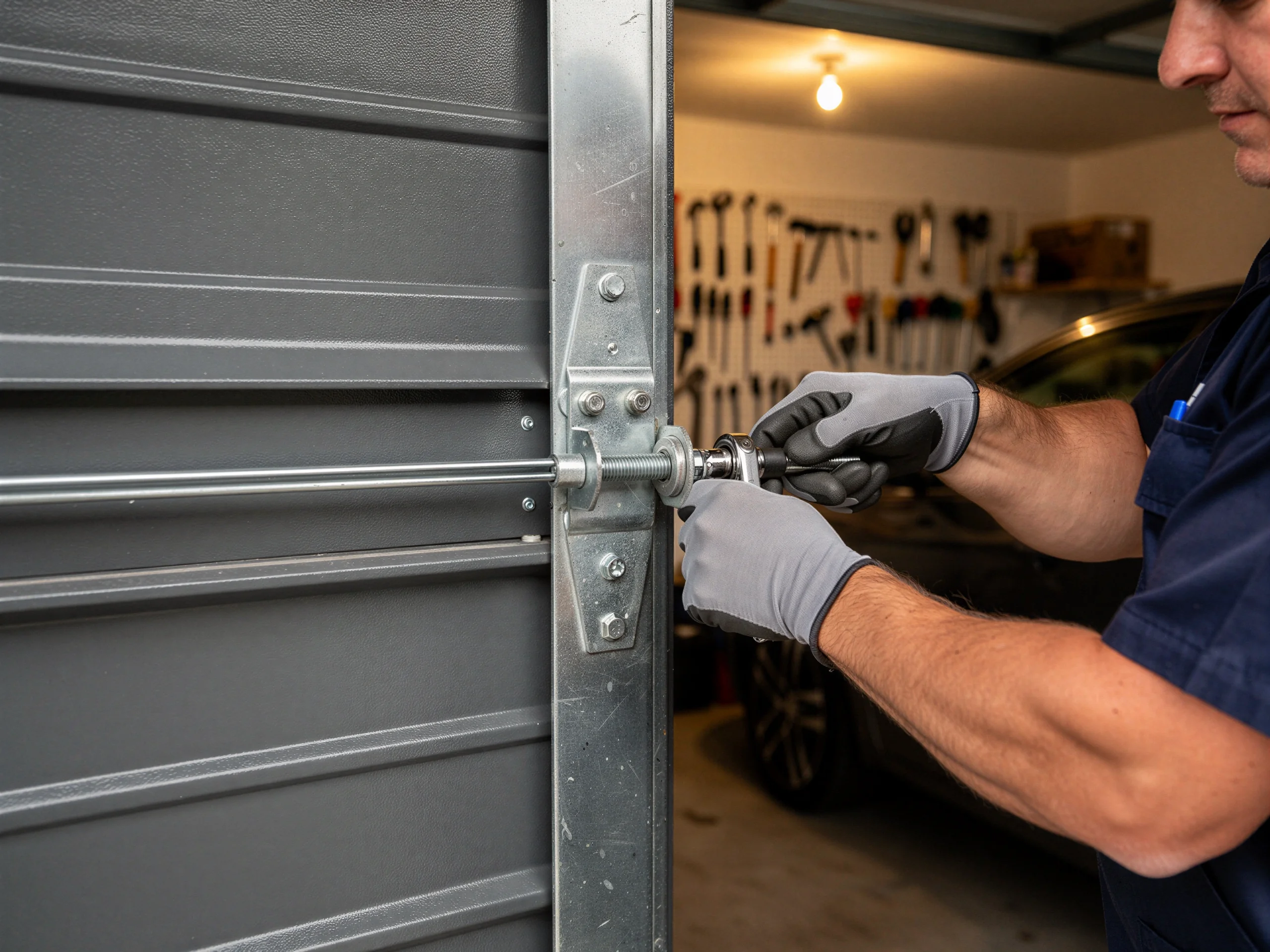
Garage Door Repair
Most Coachella garage doors went up after 1998, newer than much of Indio's stock. Learn more →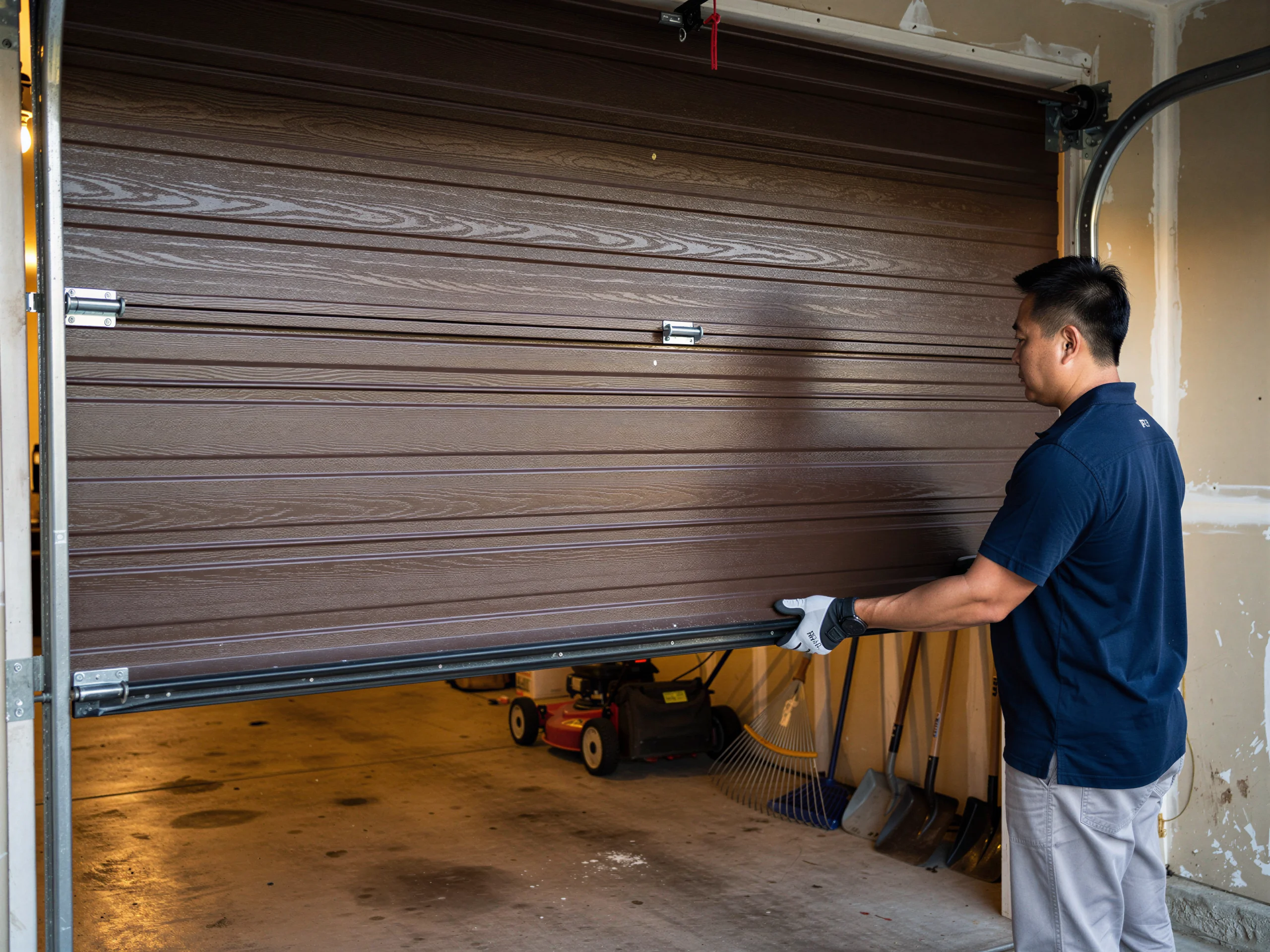
Garage Door Service
Coachella homes mostly went up around 1998, later than much of the Indio area. Learn more →
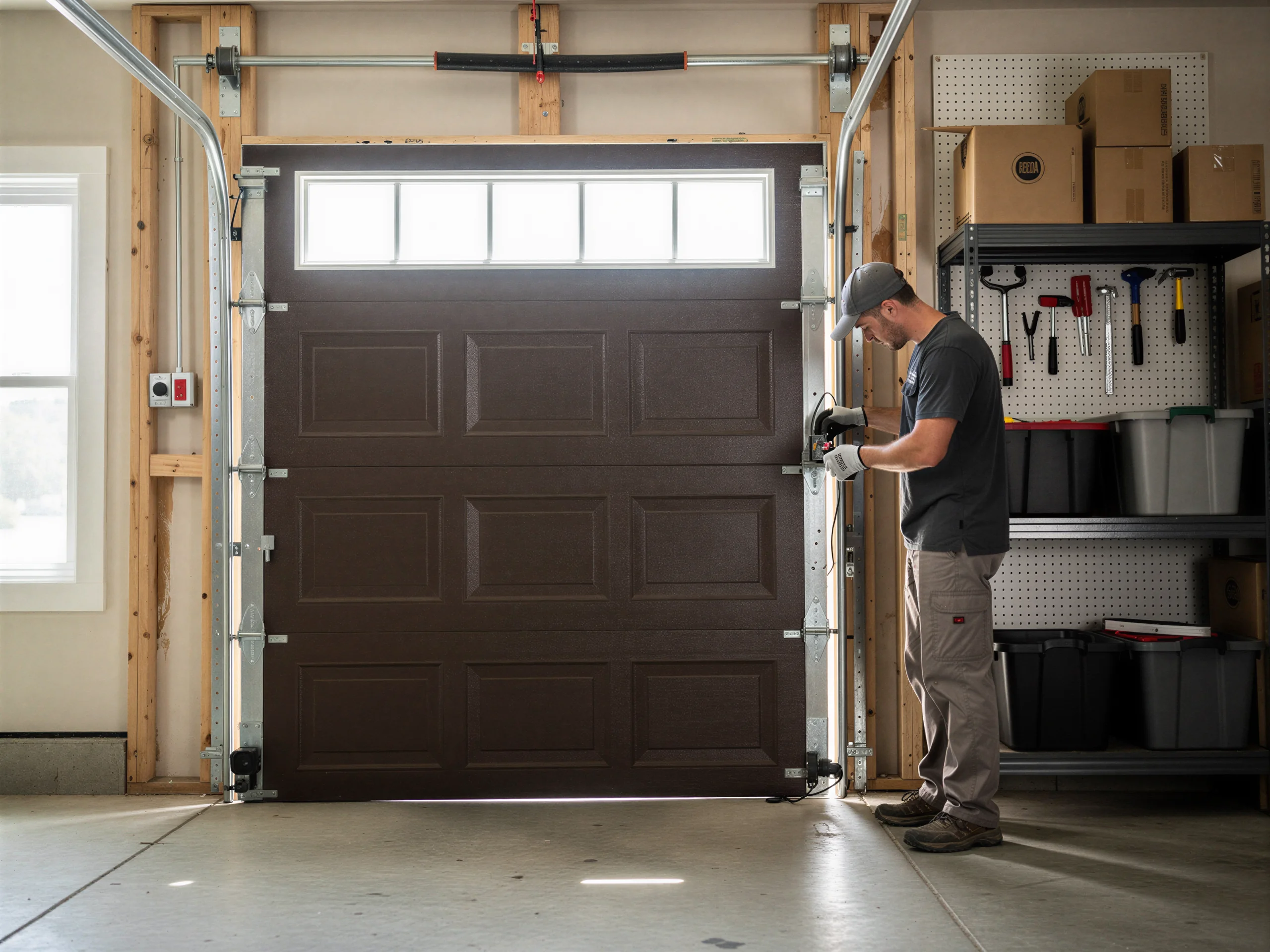
New Door Installation
Coachella homes mostly went up in the late 1990s, which means different header clearance and opener mounts than older Indio-area stock. Learn more →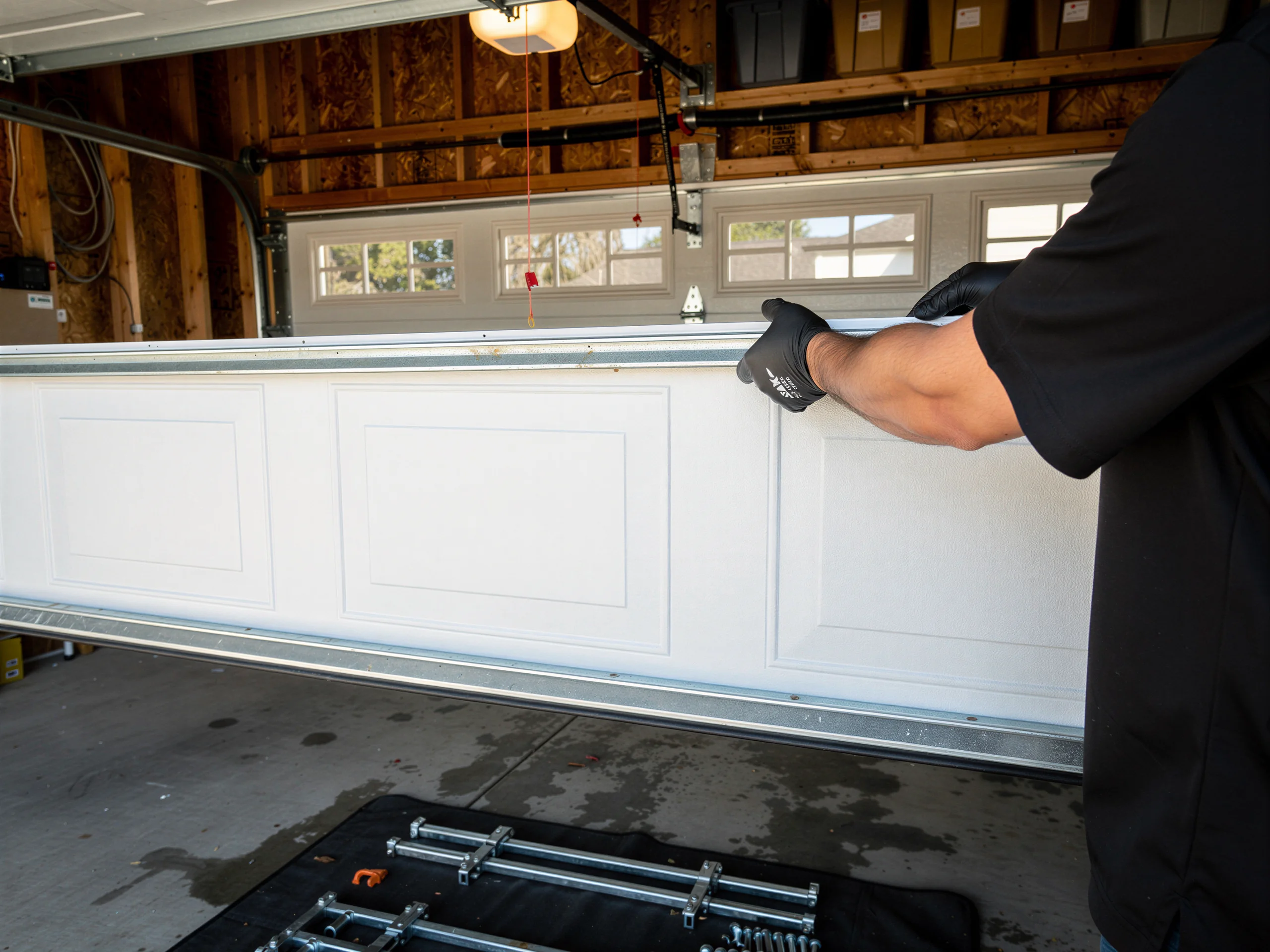
Panel Replacement
Coachella homes date mostly to 1998, steel sectional doors prone to heat warp. Learn more →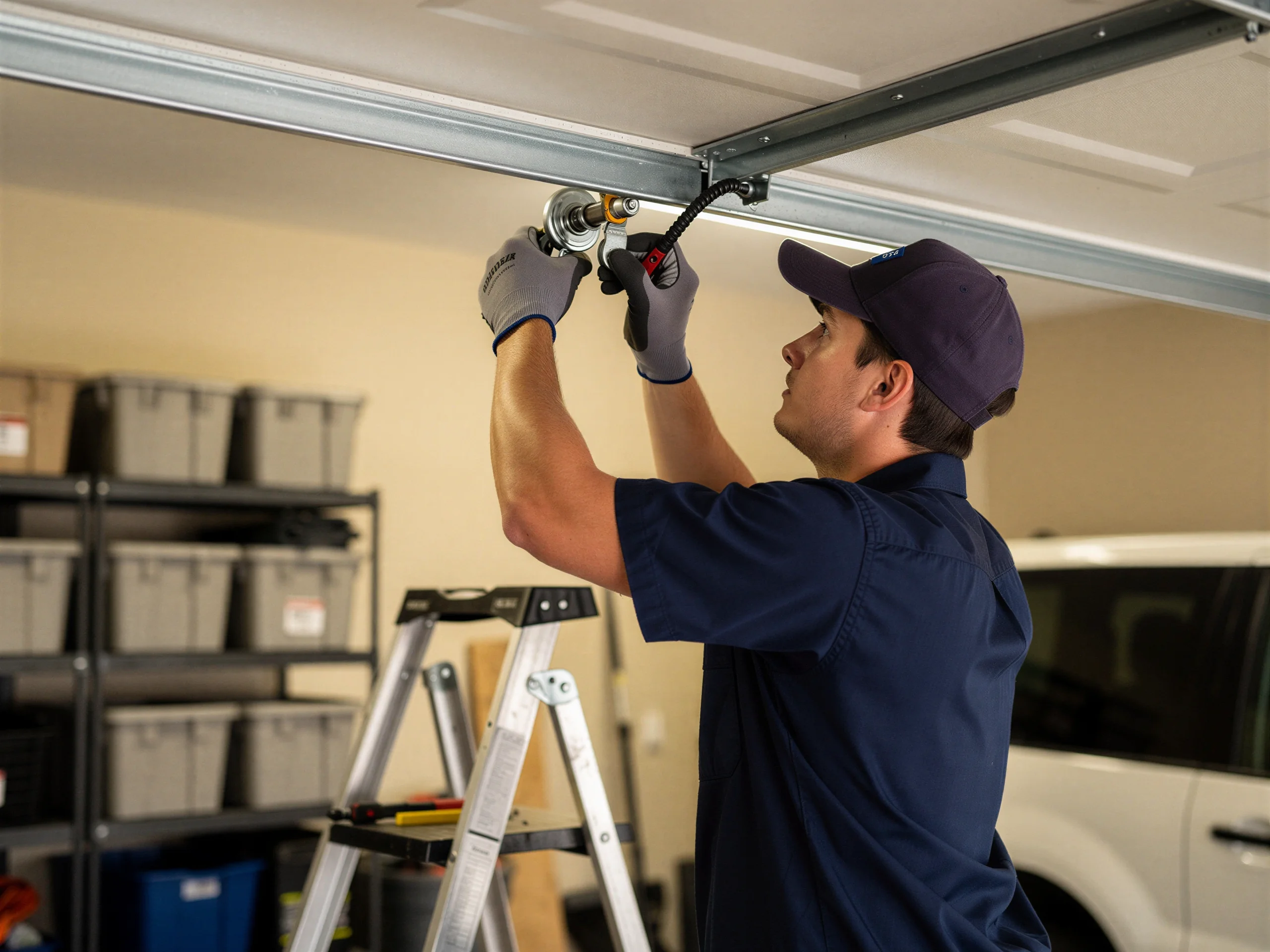
Roller Replacement
Coachella's homes run newer than the rest of the valley - most went up around 1998. Learn more →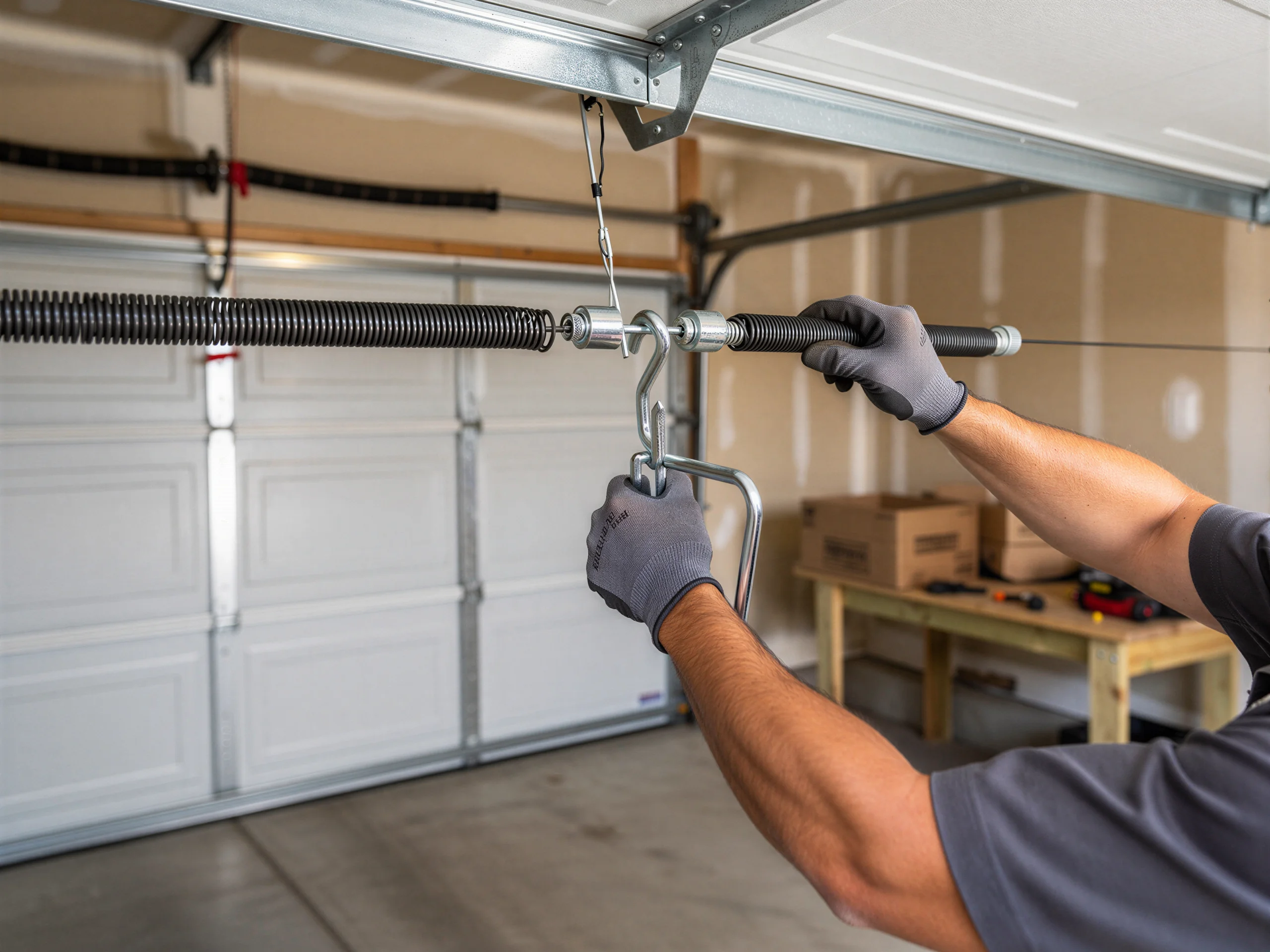
Spring Repair
Torsion and extension spring repair for Coachella homes built mostly in the late 1990s, serviced from our Indio shop six miles away. Learn more →Ready when you are
Garage door emergency in Coachella?
Indio Garage Door Pros repairs and installs garage doors, springs and openers in Indio, CA and the surrounding area.