
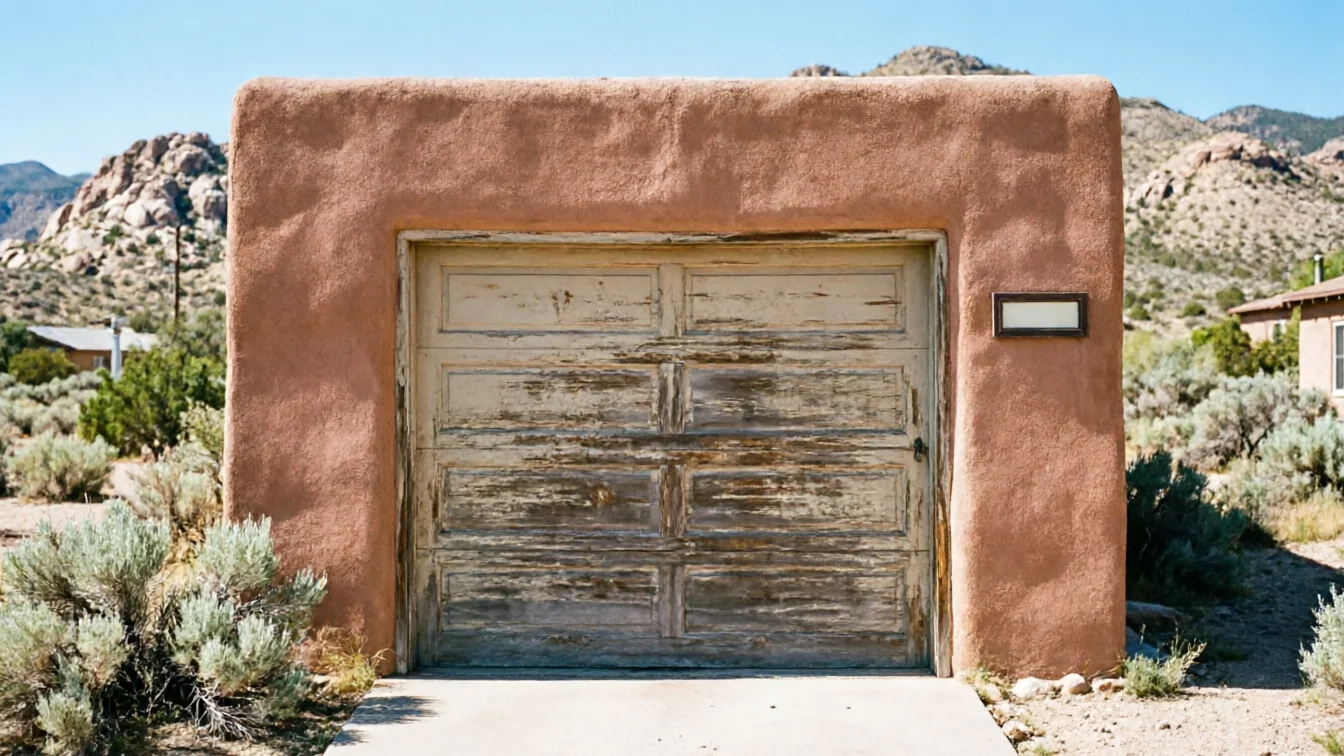
Indio's 1980s-90s Housing Stock and the Garage Doors Still Worth Saving
Most Indio homes date to the 1980s and 90s, built for extreme summer heat that strains seals and springs fast.
Read moreIndio homes built 1977-1999 relied on code with no insulation requirement. In severe desert heat this shows up fast in garage doors, springs, and openers.
Local detail
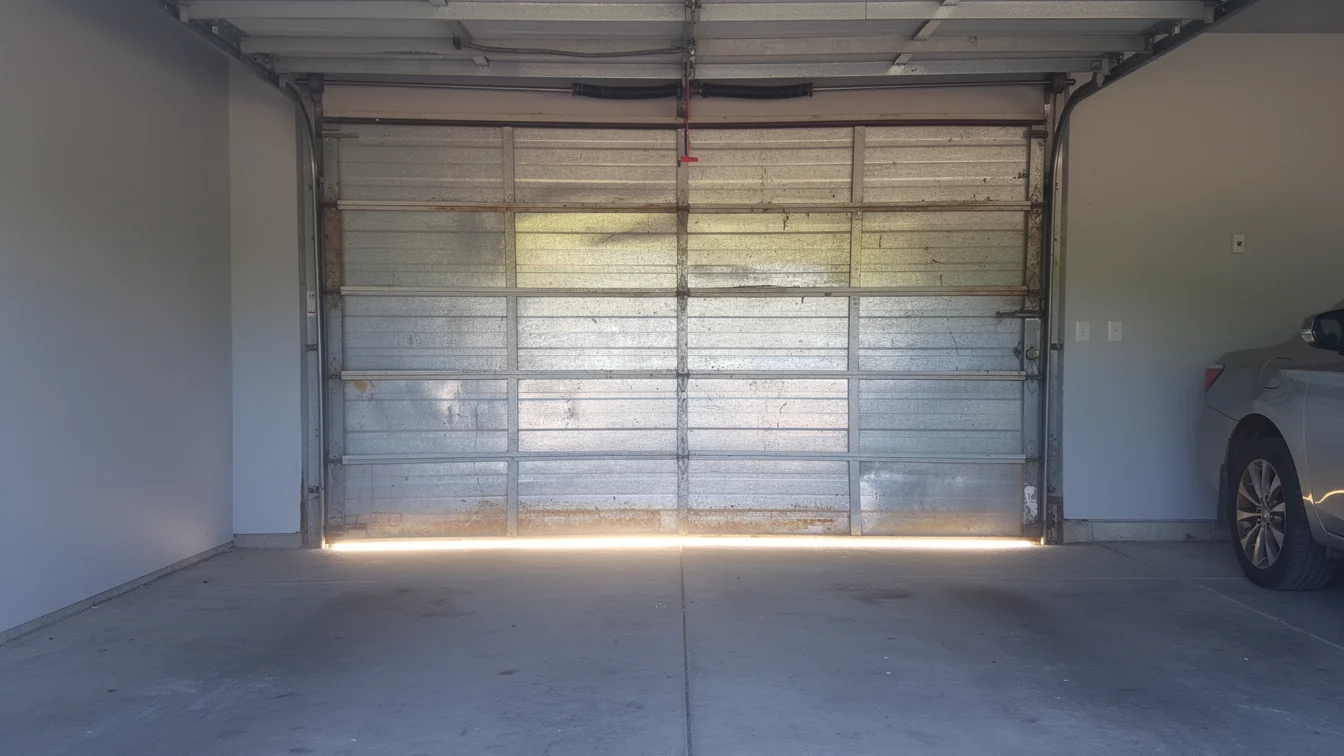
Indio sits in a climate band the federal data marks as severe heat, and that matters more for a garage than for almost any other part of the house. A garage door is the largest moving panel on the building, and on a west or south-facing wall it takes the worst of the afternoon sun directly. Steel skins expand and contract every day, and on doors built before insulation requirements were common, there's nothing behind that steel to slow the heat transfer down. The attached garage becomes an oven, which cooks the grease out of the opener's drive gear, dries out nylon rollers until they crack, and bakes the lubricant off torsion springs faster than it would in a milder zone. Most of the housing stock here went up between 1977 and 1999, with the median landing around 1987 - which means a lot of these doors and their original hardware have now logged three or four decades of daily thermal cycling. Heat doesn't just wear springs out early, it also warps thin steel panels along the bottom sections where moisture and sun both hit hardest. None of this is a defect in the door. It's what severe heat does to equipment that was never built with desert-grade insulation in mind.
The area
The service area runs across fourteen named communities, from Bermuda Dunes three miles out to Garnet nineteen miles away, and the housing in nearly all of them traces back to the same construction wave: 1980s and 90s builds, with the overall stock centered on 1977 through 1999. That's a long run of homes aging through the same code era, which means a lot of garages share the same generation of door, same style of opener, same gauge of torsion spring - and now the same age-related failures showing up close together. The service area counts 62,087 households, with 33,598 of those owner-occupied houses, so this isn't a small pocket of old construction, it's the baseline. Median household income across the area runs $67,558, which shapes the kind of calls we get: owners who want a repair done right rather than a full replacement they don't need yet, but who also don't want to keep throwing money at a door that's actually at the end of its service life. The honest version of the situation is that a lot of doors from that 1977-1999 window are now at the point where a second or third spring replacement, plus worn rollers and a tired opener, starts costing close to what a new insulated door would run.
What we find
Call before the door stops working, not after. A torsion spring that's visibly stretched, a door that slams the last foot of travel instead of settling, or an opener that strains and hums longer than it used to are all signs the hardware is near the end, and on houses from the 1977-1999 wave, that end tends to arrive without much warning. Here's the limitation worth being upfront about: if a door was built before insulation rules applied, we can replace springs, rollers, cables, and the opener, but we can't retrofit real insulation into a hollow single-layer steel panel - that's a door swap, not a repair, and we won't pretend otherwise just to get the smaller job. If your garage still has the original 1980s or 90s door and it's handling heat badly, a repair buys time but doesn't fix the underlying problem. We'll tell you which situation you're in before we start work, not after.
How we work
The most common mistake is treating a garage door from this era like it just needs one new part. A door built during the 1977-1999 run usually has an opener, spring, and roller set that all aged together, so replacing only the loudest-failing piece often means a second call a few months later for whatever's next in line. We see this across the whole area we cover, not just one neighborhood - homes near Bermuda Dunes and Desert Palms show the same pattern as houses further out toward Thousand Palms or Vista Santa Rosa, because the construction era is shared even though the distances aren't. The other mistake is assuming a new off-the-shelf panel will bolt onto old track and drum hardware without adjustment; sizing and mounting standards shifted enough over the decades that a straight swap rarely lines up clean. And some owners wait until the door won't open at all before calling, which turns a scheduled repair into an emergency one. On a stock this old, across an area this size, getting ahead of the failure is cheaper than catching it after.
Questions
Most homes here were built between 1977 and 1999, median around 1987, before insulation standards applied to garage doors. Combined with the severe heat this area sits in, steel panels, springs, and opener gears take more daily thermal stress than the same parts would in a milder climate, so they age out sooner.
Depends on the door's age and how many parts have already failed. If it's an original door from the 1977-1999 construction wave and you're on a second or third spring, a full replacement with an insulated door often makes more financial sense than another repair. If it's one isolated failure, repair is the right call.
No. A single-layer steel panel from that era doesn't have the structure to add real insulation after the fact. We can repair the hardware - springs, rollers, cables, opener - but a true insulation upgrade means a new door, not a retrofit, and we'll say so rather than sell a repair that won't solve the heat problem.
It's area-wide. The 1980s and 90s construction pattern shows up consistently across the fourteen communities we cover, from Bermuda Dunes close in to Garnet nineteen miles out, so the same age-related door and spring failures turn up throughout, not just in one pocket.
Recommendation
More garage door guides for Indio homeowners.
Most Indio homes date to the 1980s and 90s, built for extreme summer heat that strains seals and springs fast.
Read more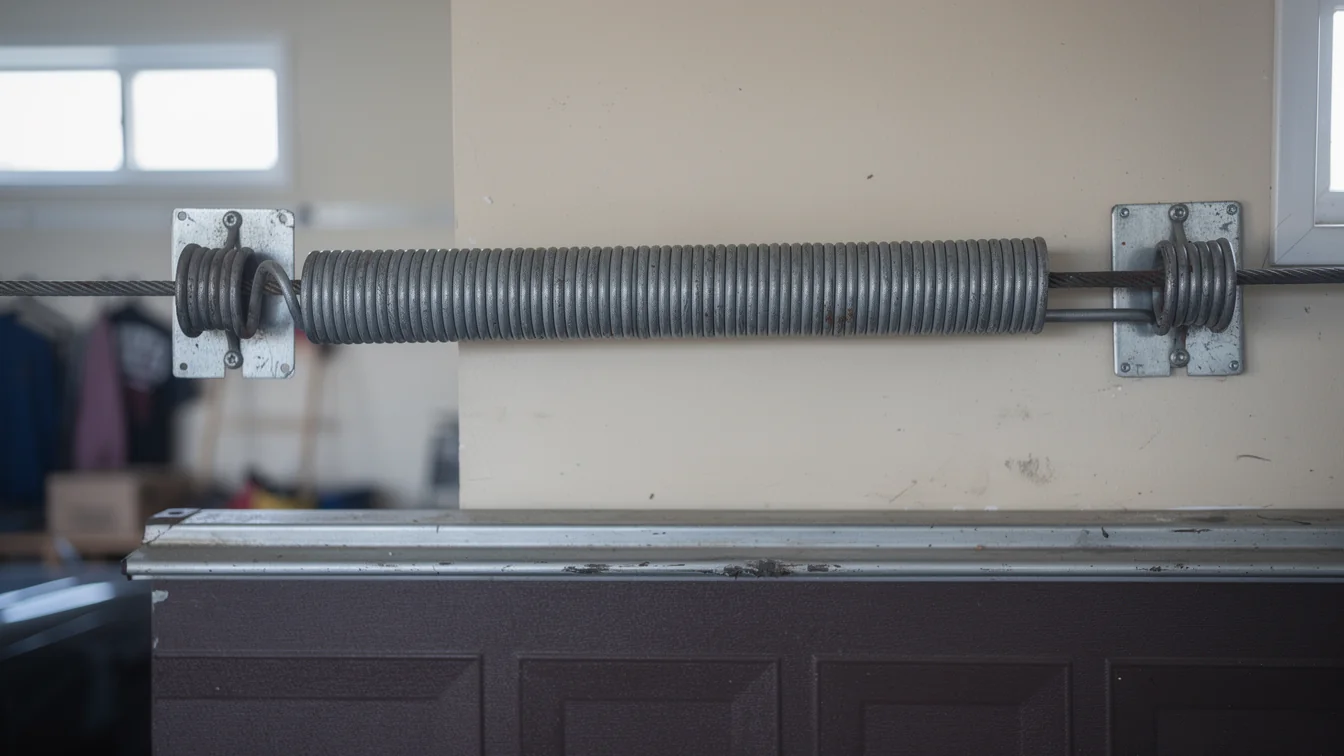
Most Indio homes date to the 1977-1999 build wave, and severe desert heat ages torsion springs fast.
Read more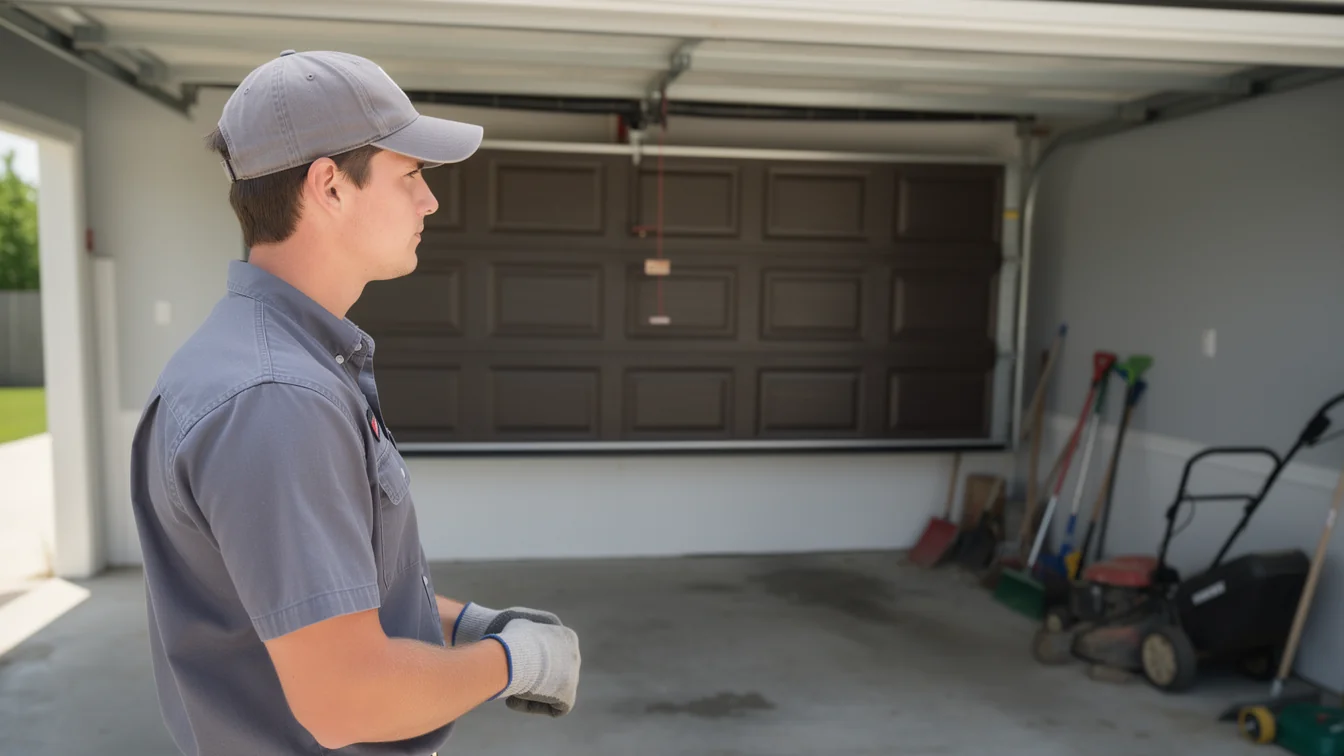
Grinding, popping, or banging garage door in Indio?
Read moreReady when you are
Indio Garage Door Pros repairs and installs garage doors, springs and openers in Indio, CA and the surrounding area.