Why Garage Doors Fail Faster on Indio's 1980s Housing Stock
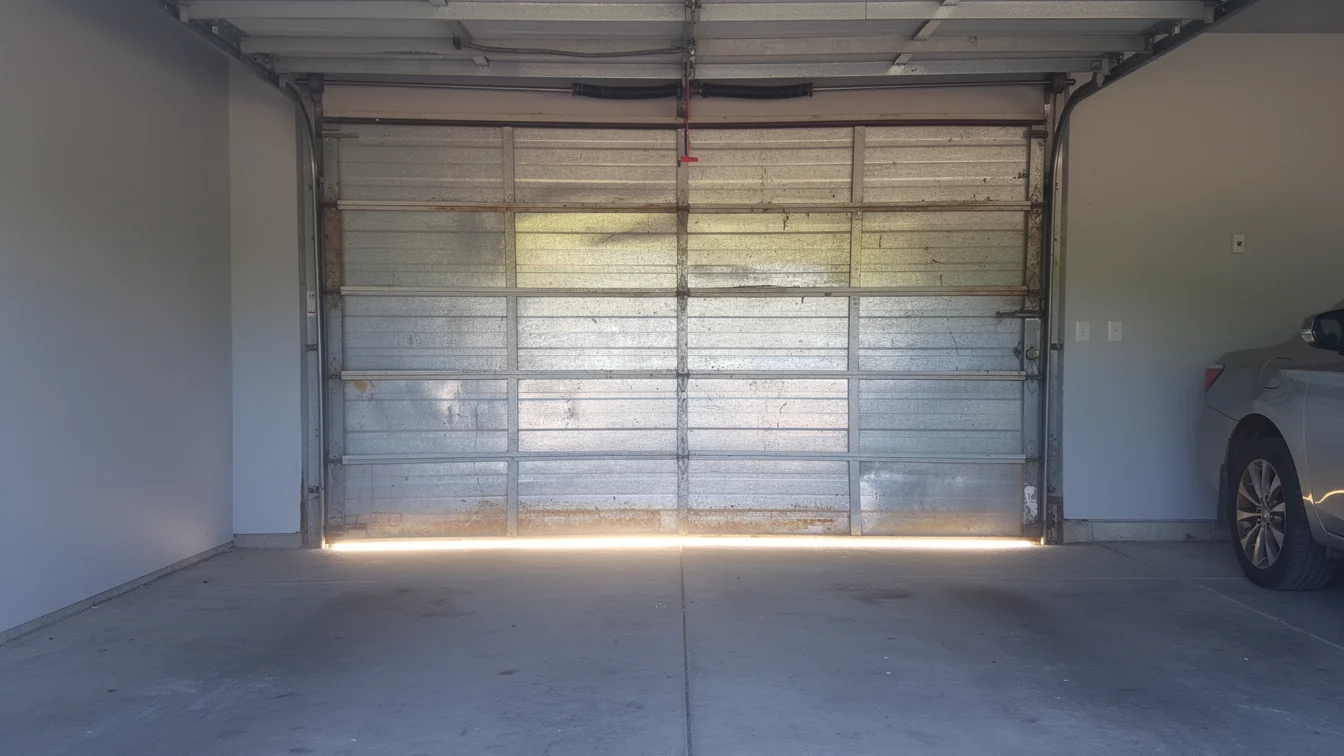
Indio homes built 1977-1999 relied on code with no insulation requirement.
Read moreIndio's 1980s-90s openers weren't built for this heat or for rolling outages. Here's what fails first and when a call beats a DIY fix.
Local detail
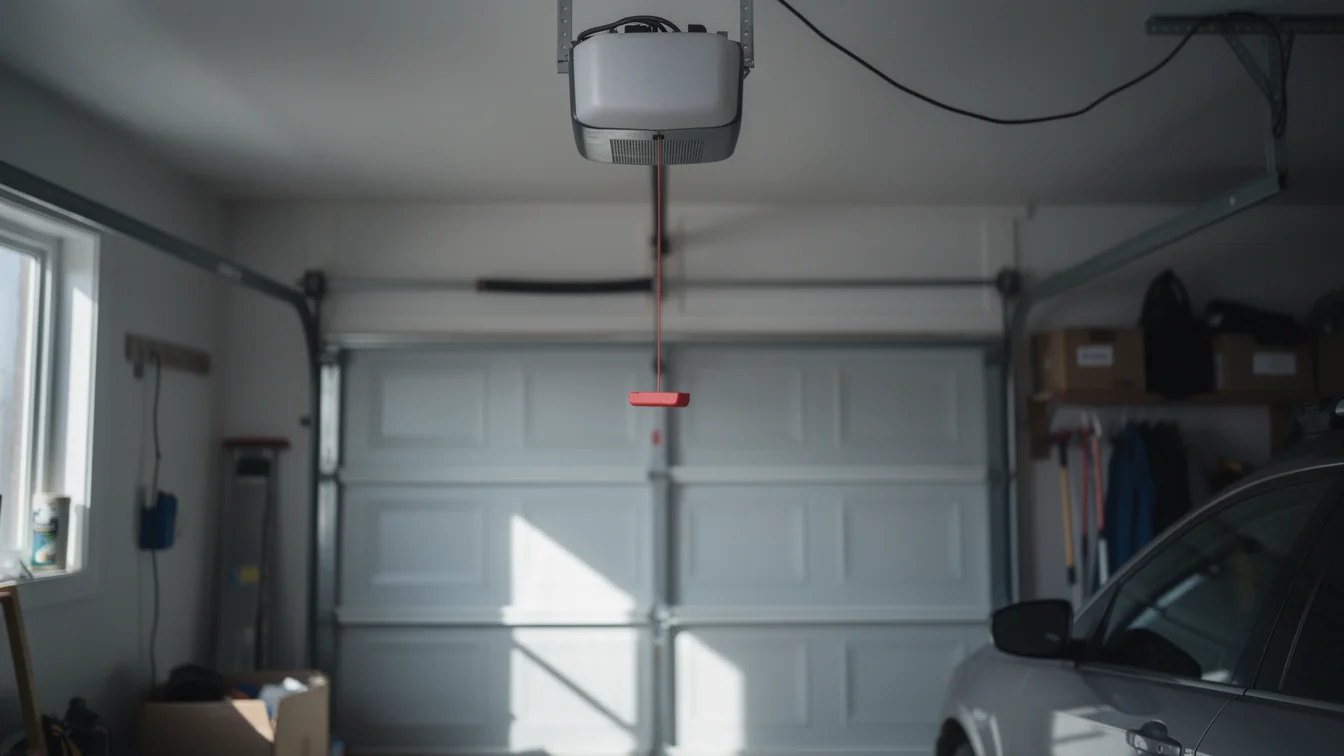
Most houses in Indio's service area went up between 1977 and 1999, with the bulk of the stock dating to the 1980s and 90s across the fourteen named areas we cover, from Bermuda Dunes to Garnet. That means the opener on your garage is either original or a first replacement, and either way it was built for a different climate than the one it's actually running in. Indio sits in a severe heat band, and that matters more for openers than for almost any other part of the door. The circuit board, the capacitor, the motor windings - all of it sits in an attic-hot garage for months at a time. Heat ages electronics faster than it ages anything mechanical. A spring can take decades of sun. A logic board with a 1990s-era capacitor usually can't. If your opener is original to a house built in that 1977-1999 window, you're not looking at a part that's merely old. You're looking at a part that has done three decades of duty in a box that regularly tops 130 degrees inside. That's the real story behind most of our opener calls - not a single failure, but slow heat damage that finally tips over.
The area
Power cuts compound the heat problem. When the grid drops - and in a service area this size, with 62,087 households and 33,598 owner-occupied houses drawing heavy AC load at once, it does - openers lose position memory, battery backups (where they exist) drain fast in high heat, and the first thing a lot of owners notice afterward is a door that won't respond to the remote at all. Sometimes it's just a reset. Sometimes the outage was the final stress on a board that heat had already weakened, and the outage just happened to be what you noticed first. Either way, the pattern we see most in this area is: heat degrades the board over years, a power event interrupts it, and the owner calls thinking the outage broke the opener. Usually the outage just revealed what the heat already did.
What we find
Call if the opener runs but the door doesn't move, or moves and then reverses for no reason - that's often a logic board or a safety sensor thrown off by heat-expanded housing. Call if the wall button does nothing but the remote works, or vice versa, since that's a wiring or board fault, not something to force. Call if you've had more than one unexplained power cut in the area and the opener hasn't worked the same since. Don't call us for a dead remote battery or a sensor that's just dusty - check those first, they cost you nothing. We'd rather talk you through a five-minute fix on the phone than roll a truck for a $4 battery.
How we work
The most common mistake in this market: replacing a dead opener with another standard unit and expecting it to last the same 20-plus years the original did. Given the severe heat this area sits in, that math doesn't hold the way it might somewhere cooler. The second mistake is ignoring the opener until it fails completely during a heat wave, which is exactly when parts take longer to get and when you most need the door working. If your house falls in that 1977-1999 build window and the opener has never been touched, don't wait for a power cut to find out how it's holding up. One honest limitation: we don't stock every board for every brand on the truck, and if yours is an older or less common model, getting the exact replacement part can take a few days - we'll tell you that up front instead of guessing.
Questions
In Indio's severe heat, opener boards and capacitors age faster than in milder climates, so by the time a power cut hits, the board may already be weakened. The outage often just exposes damage that heat caused over years, especially in homes built in the 1977-1999 window common across this area.
It helps with outages but won't fix heat-damaged electronics underneath. If your opener is original to an 80s or 90s-built house in this area, a backup buys you a working door during a power cut, but it doesn't extend the life of a board that's already compromised.
If the door works fine once power is restored and stays consistent, it was likely just the outage. If it's intermittent afterward - reversing, not responding to one control, running rough - the outage probably revealed heat damage that was already there.
Recommendation
More garage door guides for Indio homeowners.
Indio homes built 1977-1999 relied on code with no insulation requirement.
Read more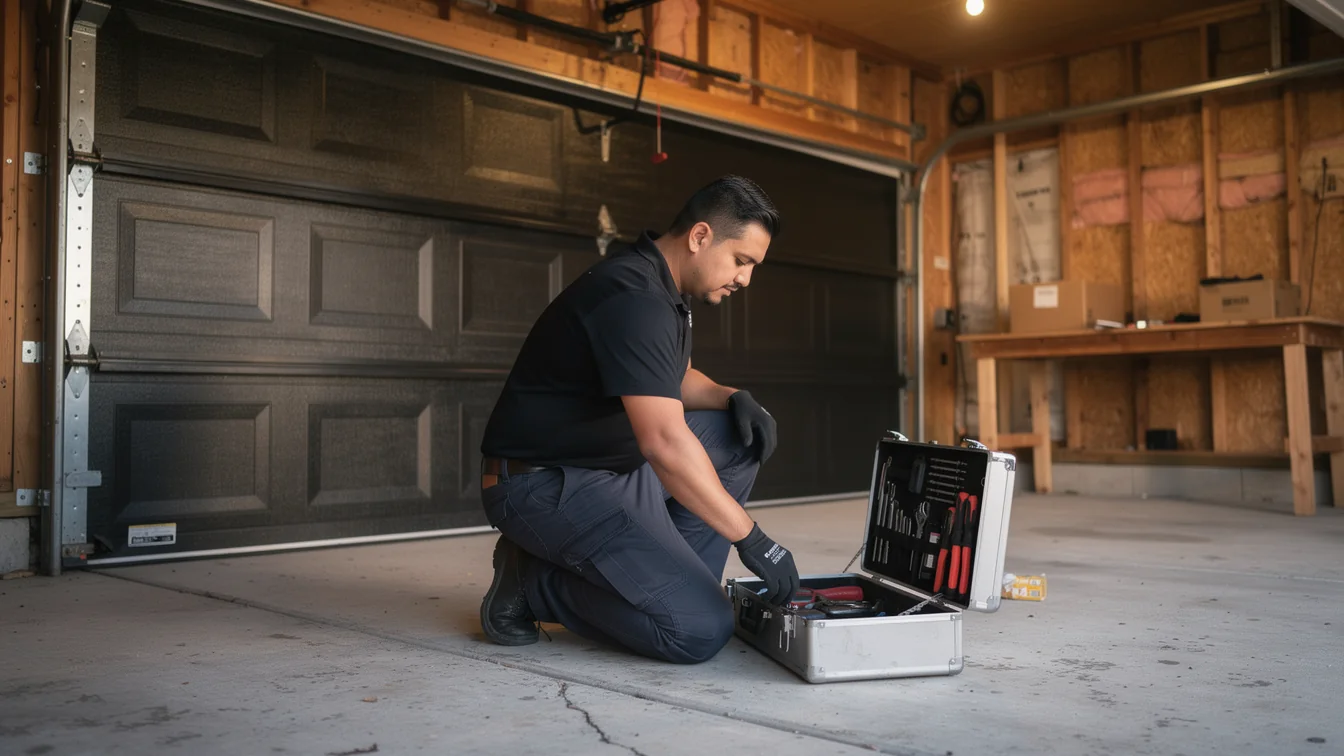
In Indio, where homes mostly date to the 1980s and 90s and summer heat pushes hard on garage door parts, here's what a real service call checks and fixes.
Read more
Most Indio homes date to the 1980s and 90s, built for extreme summer heat that strains seals and springs fast.
Read moreReady when you are
Indio Garage Door Pros repairs and installs garage doors, springs and openers in Indio, CA and the surrounding area.